


Summary of the Impact on Ion Exchange Resin Working Capacity!
It is common for 001×7 cation exchange resin (hereinafter referred to as the resin) to turn red, brown, dark brown, or to break apart during water treatment processes due to various factors. The impact of these changes on the working exchange capacity of the resin varies greatly. Some changes result in a minimal reduction in working exchange capacity, while others cause a significant decrease, even leading to the resin being scrapped.
Nearly a decade of practical experience in boiler water treatment, involving the testing and measurement of the working exchange capacity of hundreds of new and used resin samples, has confirmed this.
The Impact of Turning Red or Brown on Working Exchange Capacity
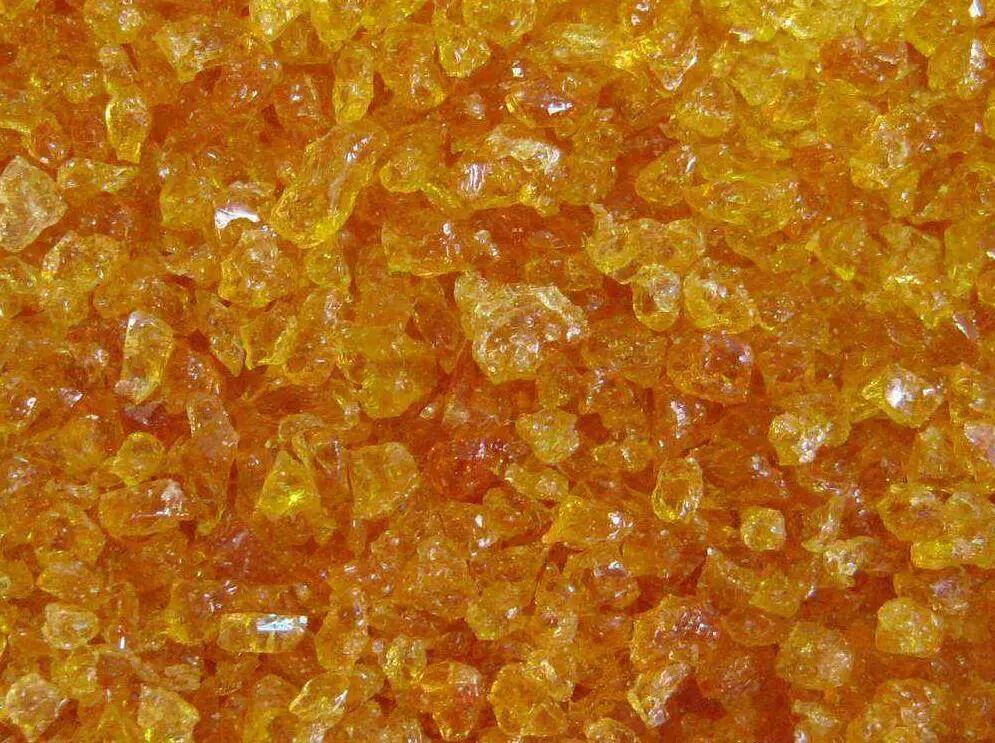
Among the nearly one hundred used resin samples tested that had turned red, brown, or broken during use, over 95% returned to a yellow or light yellow color after treatment, and their working exchange capacity increased by 1-5% compared to before treatment. A few samples remained brown even after treatment with acid, alkali, and alcohol; their working exchange capacity was relatively low both before and after treatment, showing basically no change.
The darkening of the former is caused by the influence of trace iron in the water and other factors (such as temperature). The latter refers to new resins that were originally brown and had a low working exchange capacity, or may be due to severe iron poisoning and organic contamination. However, iron poisoning of resin caused by damage to the anti-corrosion lining inside a typical softener tank only results in the resin turning red or brown, with very little change in its working exchange capacity. This is very different from the claim in some publications that the working exchange capacity of iron-poisoned resin can be increased by more than 50% after treatment with hydrochloric acid.
The Impact of Particle Breakage on Resin Working Exchange Capacity
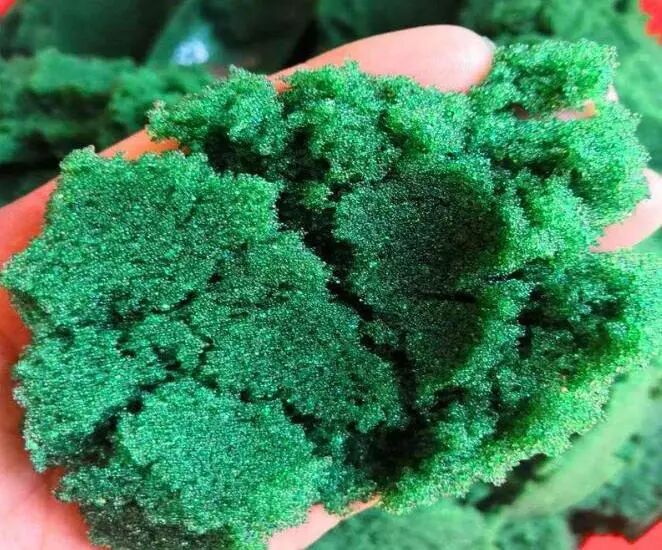
The impact of resin particle breakage on its working exchange capacity can be divided into two situations based on the cause of breakage: first, breakage due to normal wear and tear during use, and second, breakage due to freezing. Regardless of how high the breakage rate is from wear and tear, its impact on the working exchange capacity is minimal (within the operational error margin of the softener tank). However, breakage caused by freezing has a significant impact on the working exchange capacity, even leading to the resin being scrapped.
Comparing the measured working exchange capacity values of resin samples from the same source at four or five facilities when newly installed and when the proportion of broken particles exceeded 50%, it was found that in four or five of these facilities, the resin was well-maintained during use and not frozen. The reduction in working exchange capacity between the new state and the broken state was very small, generally between 1% and 3%. However, the resin at the other two facilities, due to freezing in winter, had a higher breakage rate and lower strength, and the working exchange capacity decreased by 60-70% between the new and used states, reaching the point of being scrapped.
Since the raw water used in ion exchange water treatment is mostly relatively clean well water or tap water, organic contamination of the resin is very rare. Organic contamination only occurs when the resin is used in chemical production or when the raw water is particularly dirty.
Case Study of Resin Capacity Change: A tank of resin at a paint factory, due to freezing and dehydration, had a breakage rate of 70% after five years of use. Its working exchange capacity decreased from 1.12 mmol/mL (wet state) when new to 0.43 mmol/mL (wet state) when broken. Therefore, the working exchange capacity of resin that has broken due to freezing decreases significantly, to the point of being scrapped.
In summary, freezing and subsequent breakage of 001×7 cation exchange resin has a significant impact on its working exchange capacity, potentially leading to its being scrapped. However, resin breakage, turning red, or turning brown during normal use has very little effect on its working exchange capacity. Therefore, during the use of the resin, it is essential to pay attention to maintenance, especially to prevent the resin from freezing and from coming into contact with excessive iron and organic contaminants.